
Susie Ma and the Long Journey Back to Owning What She Built
- Jan 7
- 2 min read
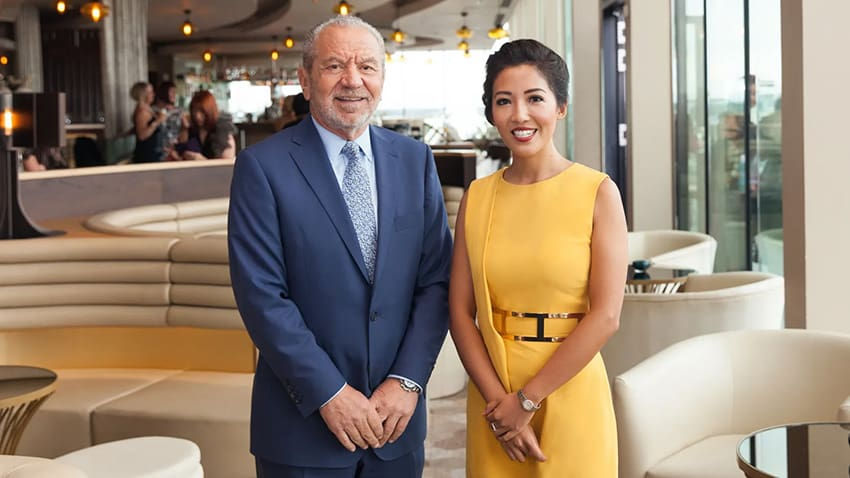
When Susie Ma made the final payment to buy Lord Sugar out of Tropic Skincare at the end
of last year, it marked the conclusion of a relationship that had shaped much of her adult life.
The transaction restored full ownership of the company she founded as a teenager — but it
also closed a chapter defined by financial anxiety, public scrutiny and the compromises that
often come with early-stage funding.
Tropic Skincare, which Ma set up with her mother more than two decades ago, now generates
£75m in annual turnover and reports healthy profits. Yet for its founder, success has never
been measured solely in revenue. Control, autonomy and peace of mind have always
mattered just as much.
Ma launched the business at 15, selling handmade body scrubs at Greenwich Market with a
£200 loan from her mother. The company grew slowly, shaped by a household where money
worries were a fact of life. That upbringing left Ma deeply cautious about debt — a trait that
would later sit uneasily alongside the realities of scaling a fast-growing consumer brand.
Her appearance on The Apprentice in 2011 proved pivotal. Fired by Lord Sugar during the
process, Ma later accepted an unexpected offer: £200,000 in exchange for a 50% stake in
Tropic. The investment accelerated growth, but it also bound her to a deal she has since
described as emotionally difficult. As the business expanded, so too did her discomfort with
owing an external investor.
In early 2023, Ma began the process of buying Lord Sugar out, opting for a structured
payment plan rather than taking on new borrowing. By December 2025, the final instalment
had been paid, returning full ownership to the founder. The moment, she said, felt like a
weight lifting — not just financially, but psychologically.
That sense of closure is given added resonance by Ma’s recent role as a guest investor on
Dragons’ Den. Once a founder who considered seeking funding herself, she now occupies
the chair from which decisions are made. It is a rare reversal, and one that speaks to how far
she has come.
The programme offers a revealing backdrop. Since its launch in 2005, Dragons’ Den has
showcased hundreds of millions of pounds in on-screen investment pledges. Yet the BBC
does not publish data on how much money ultimately changes hands, and it is widely
understood that many deals are renegotiated or abandoned during due diligence. Ma’s
experience reflects the long tail of those decisions — what it means to live with an
investment long after the cameras stop rolling.
Now, with full control restored, Ma is preparing Tropic Skincare for overseas expansion,
beginning with the US. The company continues to donate 10% of profits to good causes and
shares a further 10% with employees.
Ma’s story resists the mythology of overnight success. Instead, it offers something quieter
and more instructive: a portrait of endurance, self-belief and the determination to reclaim
ownership — not just of a company, but of the choices that shaped it.


Comments